
Debunking Common Myths About Residential Scaffolding in South Australia


Understanding Residential Scaffolding
Residential scaffolding is an essential aspect of many construction and renovation projects in South Australia. However, several myths and misconceptions surround its use, often leading to confusion and hesitation. In this post, we'll debunk some of the most common myths about residential scaffolding to help you make informed decisions.
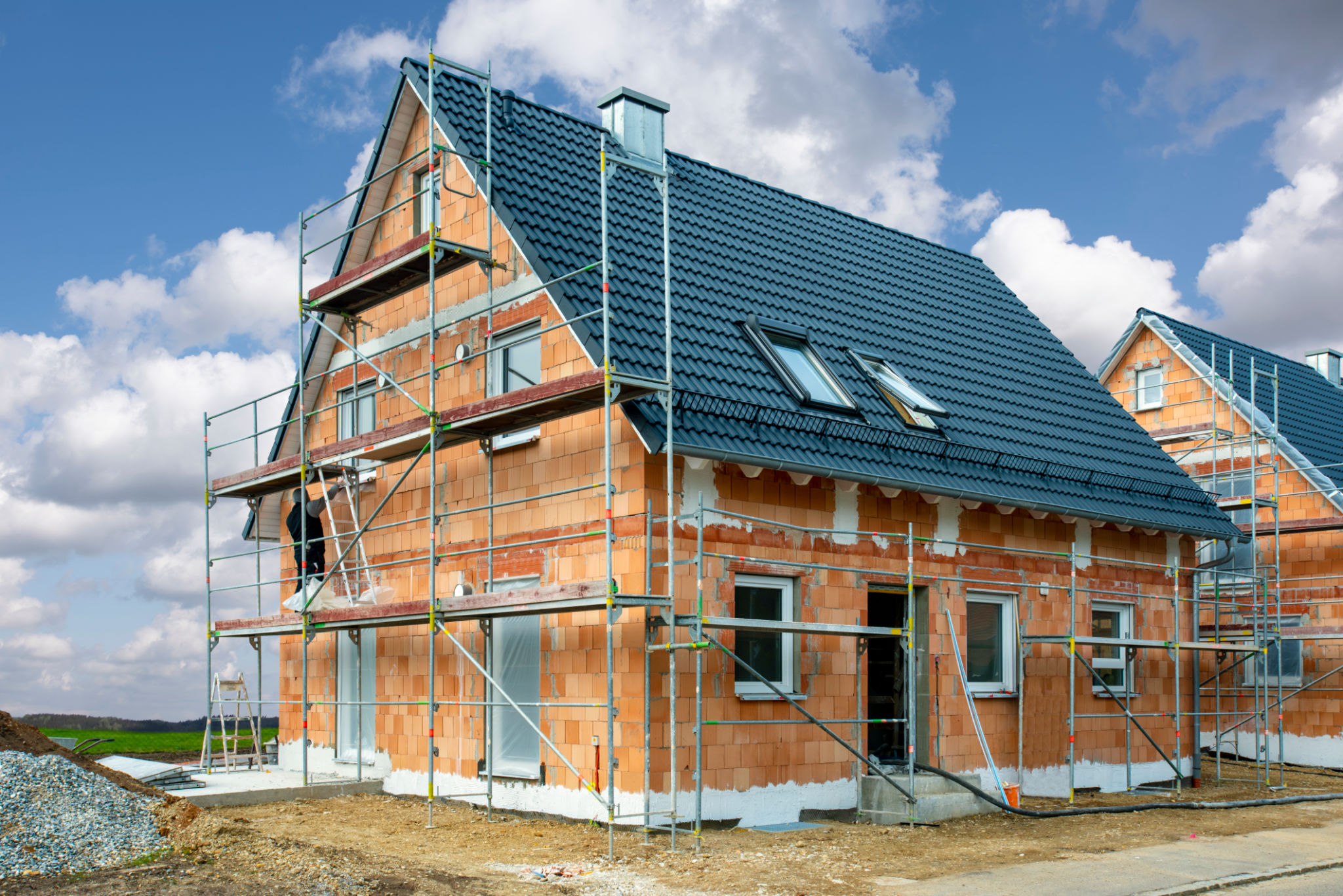
Myth 1: Scaffolding Is Only for Large Projects
One prevalent myth is that scaffolding is only necessary for large-scale construction projects. In reality, scaffolding can be beneficial for various residential projects, regardless of size. Whether you're painting a two-story house or repairing a roof, scaffolding provides a stable platform to ensure safety and efficiency.
Using scaffolding can also reduce the time needed for a project, as workers have easier access to high and hard-to-reach areas. This not only speeds up the process but also enhances the overall quality of work.
Myth 2: Scaffolding Is Too Expensive
Another common misconception is that scaffolding is prohibitively expensive. While it's true that scaffolding involves a cost, it's important to consider it an investment in safety and efficiency. The cost of scaffolding can vary based on several factors such as the size of the project, the type of scaffolding required, and the duration of the rental.

Many companies offer competitive pricing and flexible rental options, making scaffolding accessible for a wide range of budgets. When weighed against potential safety hazards and project delays, the cost of scaffolding is often justified.
Myth 3: It's Safer to Use Ladders
Some homeowners believe that using ladders is a safer or more convenient alternative to scaffolding. However, ladders can pose significant safety risks, especially for tasks that require extended periods of work at height. Scaffolding provides a much more stable and secure platform, allowing workers to move freely and carry tools and materials with ease.
Moreover, scaffolding reduces the risk of falls and accidents, which are more common when using ladders. Safety should always be a priority, and scaffolding offers the peace of mind needed for complex tasks.

Myth 4: All Scaffolding Is the Same
Another myth is that all scaffolding systems are identical. In fact, there are various types of scaffolding designed for different purposes. In South Australia, you can find frame scaffolding, mobile scaffolding, and cantilever scaffolding, among others. Each type has its own benefits and is suited for specific tasks and environments.
It's crucial to select the right type of scaffolding for your project to ensure safety and efficiency. Consulting with a professional can help you make the best choice based on your specific needs.
Conclusion
Understanding the realities of residential scaffolding can greatly improve the outcomes of your construction or renovation projects. By debunking these common myths, we hope to clarify the importance and benefits of using scaffolding in South Australia. Prioritizing safety, efficiency, and the right equipment can make a significant difference in the success of your project.