
The Ultimate Guide to Residential Scaffolding in South Australia


Understanding Residential Scaffolding
Residential scaffolding is an essential component of many construction and renovation projects in South Australia. It provides a safe and secure platform for workers to perform tasks at various heights. Whether you're painting, repairing, or building, scaffolding ensures efficiency and safety.
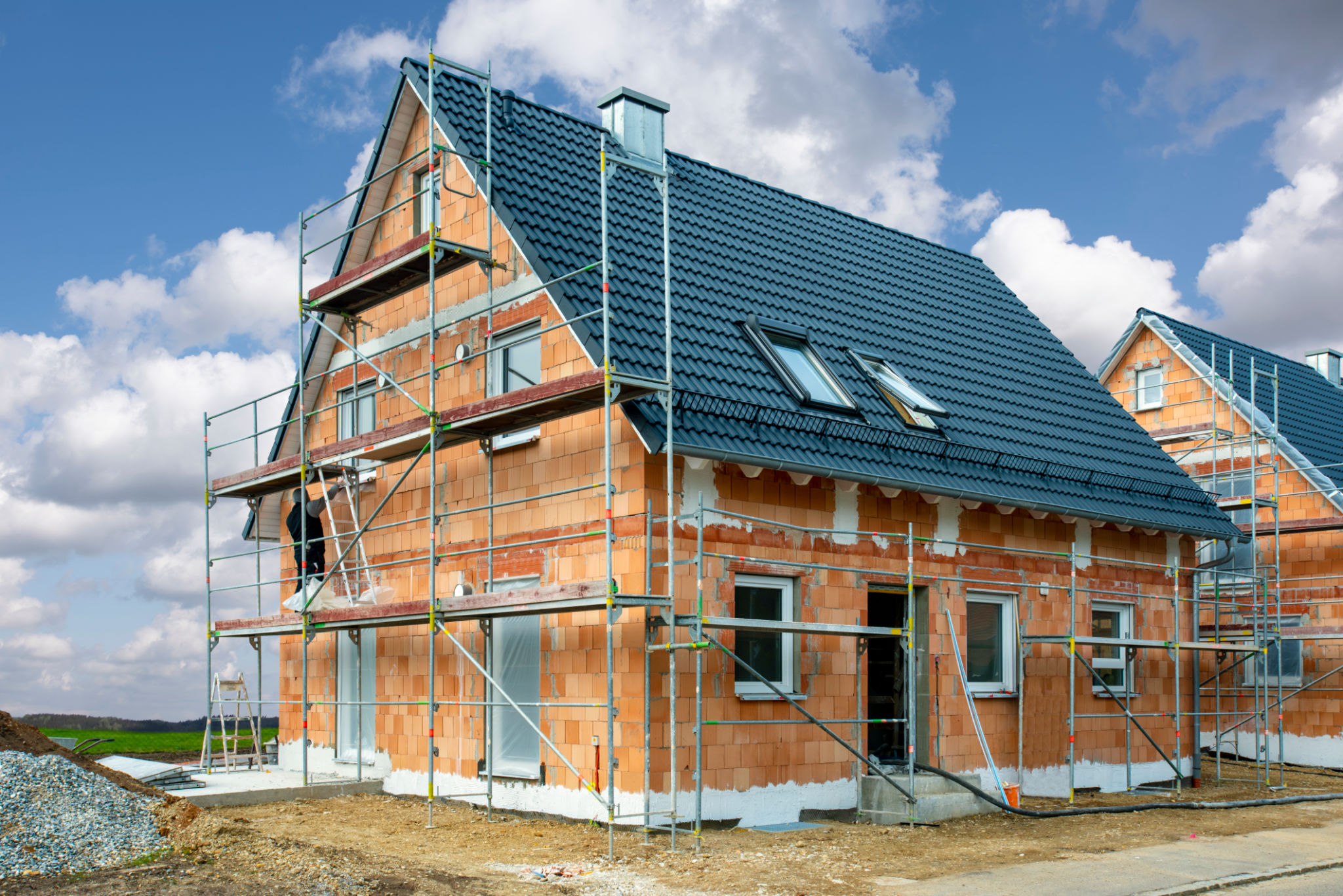
Types of Residential Scaffolding
There are several types of scaffolding commonly used in residential projects:
- Supported Scaffolding: The most common type, supported scaffolding consists of platforms supported by poles and frames.
- Suspended Scaffolding: This type is hung from the roof and is ideal for tasks requiring flexibility in height.
- Rolling Scaffolding: Equipped with wheels, this type allows easy movement around the work area.
Choosing the Right Scaffolding
Selecting the appropriate scaffolding involves considering several factors. The height of the project, the type of work, and the terrain all play critical roles in determining the best scaffolding solution. Ensuring that the scaffolding complies with local safety regulations is also crucial.

Regulations and Safety Standards
In South Australia, strict regulations govern the use of scaffolding in residential areas. Adhering to these standards is vital to ensure the safety of both workers and residents. Regular inspections and maintenance of scaffolding structures are necessary to comply with these regulations.
Hiring Professional Services
While some may consider DIY scaffolding, hiring professional services is often the safest and most efficient option. Professionals have the expertise to set up and dismantle scaffolding safely, ensuring compliance with all safety standards.

Cost Considerations
The cost of scaffolding can vary based on the type, duration of the project, and specific requirements. It's advisable to get quotes from multiple providers to compare prices and services. Investing in quality scaffolding is essential to prevent accidents and ensure a smooth workflow.
Maintenance and Inspection
Regular maintenance and inspection of scaffolding are crucial for safety. Inspections should be conducted by qualified personnel to identify any potential hazards. Keeping the scaffolding in good condition extends its lifespan and enhances safety.

Conclusion
Residential scaffolding plays a pivotal role in the construction and renovation industry in South Australia. By understanding the types, regulations, and best practices, you can ensure a safe and successful project. Always prioritize safety and quality when choosing scaffolding solutions.